


Most of the families I work with at Fora aren't asking me to find them a tour. They're asking me to solve a problem. Grandma wants to come to Italy, the teenagers want different things than the seven-year-old, dad doesn't want to drive in a country he can't pronounce street names in, and nobody wants to spend Tuesday night arguing about Wednesday's restaurant. That's the brief. Trafalgar comes up in those conversations more than any other operator. Here's why I keep recommending them, and where I tell families to look elsewhere.

What Trafalgar actually does well
Trafalgar has been running guided tours since 1947. That's the marketing line and it's true, but it's not the reason to book. The reason is that they've spent seventy-plus years figuring out the boring parts. Which hotel in Florence has elevators that fit a stroller. Which restaurant in Sorrento can seat fourteen people on a Wednesday in October. How long the line at the Vatican is on a Tuesday morning versus a Thursday afternoon. That institutional knowledge is what families are actually buying.
Their "Be My Guest" experiences are the part I bring up first when families ask. These are meals at private homes, family farms, and small vineyards that aren't on any booking platform. A pasta-making afternoon with a Tuscan family, dinner in a Sicilian agriturismo, a long lunch at a Provençal estate. We've eaten meals like that on our own and they're hands down the best memories from any country. The difference is that arranging one yourself takes weeks of broken-translation emails. Trafalgar already has the relationships.
Their hotels also skew interesting. Not exclusively. There are chain properties on most itineraries. But most tours include at least one stay with real character: a castle in Scotland, a converted monastery in Spain, a family-run inn in the Dolomites. If you've ever driven up to a Hilton-shaped Hilton after a long travel day and felt your soul leave your body, you understand why this matters.
Who I recommend Trafalgar for
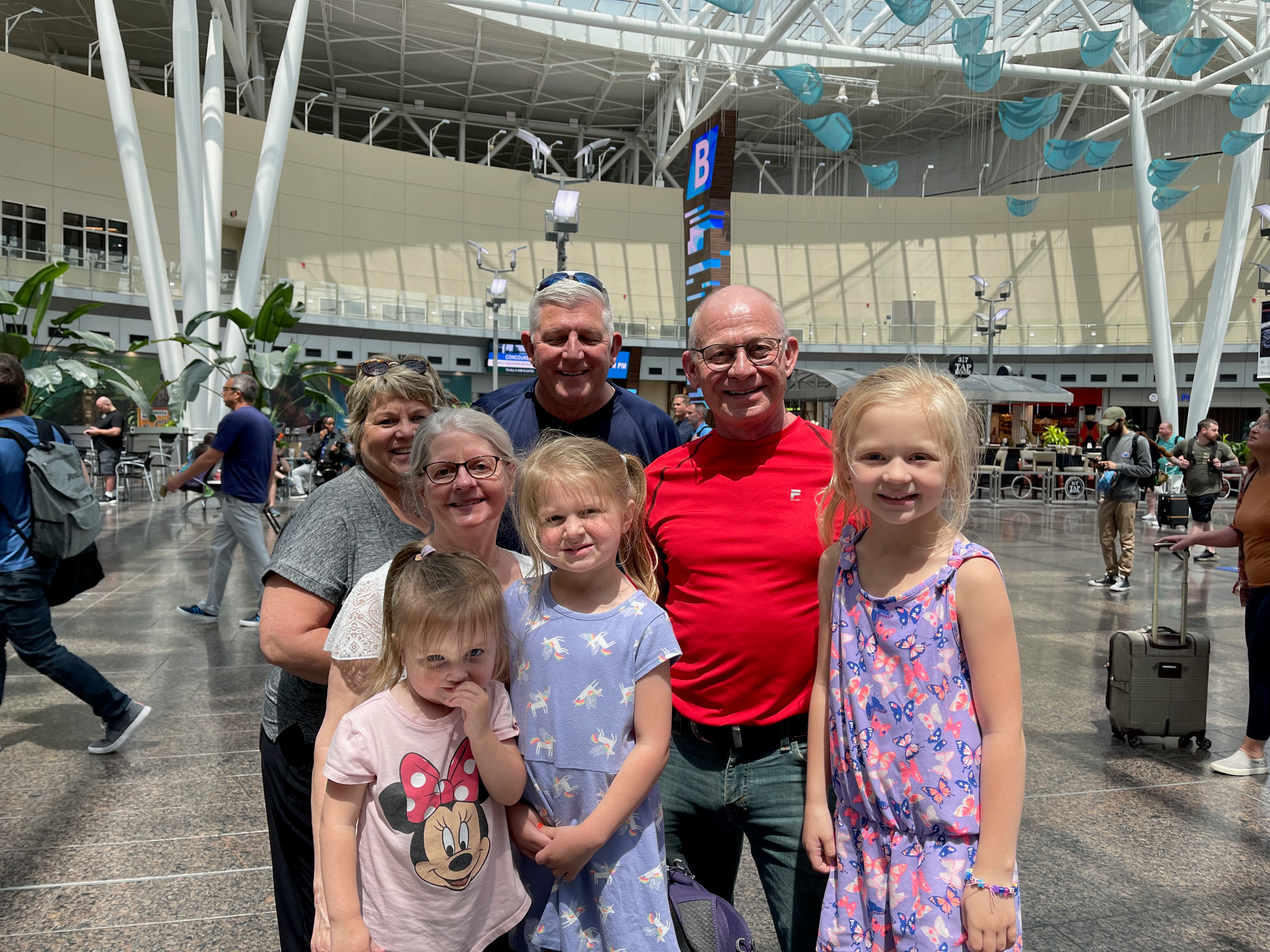
The single best fit is the multigenerational trip. When you've got grandparents who want to actually see places, parents who want to actually relax, and kids old enough to handle a guided day, Trafalgar's pacing works for everyone. Mornings are structured, afternoons are flexible, dinners are sorted. Grandma doesn't have to walk eighteen kilometers to find the trattoria. Dad doesn't have to navigate a rental car through Naples. The kids get enough free time that they don't mutiny.
The second fit is first-time-Europe families. If you've never been, the cognitive load of planning a two-week trip across three countries is genuinely huge. You're learning train systems, restaurant culture, tipping norms, museum reservation windows, and trying to keep three small humans fed and watered. A tour removes about 80% of the decision-making. You wake up, you eat breakfast, you get on the coach. That's not exciting prose, but it's a real gift on day six when you're tired.
The third fit is anyone who's been burned by a previous tour. Most people who say "I'll never do a tour again" did one of the 48-person coach things where you got 22 minutes at the Trevi Fountain. Trafalgar's groups run 20 to 40 people, lean toward the lower end of that range on most itineraries, and the pacing is closer to a slow weekend than a forced march. It's a different category of product.
Who Trafalgar isn't great for
If your kids are under six, look elsewhere. The tours aren't designed around kid-specific content, the daily mileage assumes adult endurance, and the average traveler age skews 45 to 65. Your three-year-old will be cherished by every Italian widow on the bus, and also miserable by 4pm every day. We do tours sometimes, but never the ones designed for retirees.
If you're a family that prefers to set your own pace, decide on lunch at 1pm based on what looks good, and stay an extra day somewhere you fell in love with, independent travel is going to make you happier. We spent a week in Lucca for our anniversary and ended up extending it because we couldn't stand the thought of leaving. You can't do that on a tour.
And if you're cost-sensitive and willing to do the work, you can absolutely build a better trip yourself for less money. The catch is "willing to do the work." For most families that's 40 to 60 hours of research per trip. If your time costs more than that, and for most working parents it does, the math swings back toward the tour.
How Trafalgar compares
| What you get | Trafalgar | Big-bus tours | DIY |
|---|---|---|---|
| Group size | 20 to 40 | 40 to 50+ | Just you |
| Daily pace | Built for older travelers | Tight schedule | Whatever you set |
| Hotels | Chain and character properties | Standard chains | Whatever you book |
| Local meals | Several Be My Guest dinners included | Mostly hotel restaurants | You find them |
| What's included | Hotels, transport, most meals, entries | Hotels, transport, entries | You buy each piece |
| Best for | Multigen, first-timers | Budget travelers OK with crowds | Independent travelers |
Pricing and what's currently on
The average Trafalgar tour runs around $3,686 per person at the time of writing, all-in. That number scares people until they sit down and price out the equivalent trip themselves. Hotels, intercity transport, daily activities, half the meals, entry tickets, guides. You don't beat it by much, and you spend weeks doing the legwork. The math gets tighter for shorter European trips and gets worse the more people you're traveling with.
A few of their current promotions worth knowing about:
- Price Drop Promise (code PDP26): book a 2026 tour by September 2 and if the price drops after you book, they refund the difference. This is unusual in travel and worth using if you book early.
- Early Booking Discount: 10% off select 2026 trips when booked by July 31.
- Last-Minute Departures: up to 15% off trips leaving in the next four months. Worth checking if your schedule has flex.
Trafalgar Price Drop Promise
Book a 2026 tour by September 2 and if the price drops after you book, they refund the difference.
Use code PDP26 when you book a 2026 tour.
Browse Trafalgar toursYou can browse their full tour catalog here. There are more than 300 options across 72 countries, so don't try to drink from the firehose. Start with a region you care about.
Where I'd start looking
If you've never done a Trafalgar tour and want a sense of how they operate, the Best of Italy 13-day itinerary is the classic on-ramp. Rome, Florence, Sorrento, Lake Como, Venice. It's the tour every Italian-American grandmother wants to do, and it's earned that reputation because it works. It's also a useful comparison point against your DIY instincts. Look at it, then look at what it would cost you to assemble the same trip.
For winter, their 12-day Japan Winter Wonderland is one I've written about in depth elsewhere. We've now spent over 325 days in Japan, and the itinerary covers the parts that are genuinely hard to coordinate solo in winter: snow monkeys, the Tsumago-Magome walk, Takayama festivals.

What "Make Travel Matter" actually means
This part can read like sustainability theater and sometimes is. With Trafalgar it's a little more concrete. Every tour now includes at least one Make Travel Matter experience. A meal at a women's cooperative, a visit to a rewilding project, a craft workshop with artisans who actually live in the village. They're not the headline activity, but they're built into the itinerary rather than offered as an upcharge. For families trying to model thoughtful travel for their kids without giving a TED talk about it, this is useful.
Want me to help you pick one?
I'm a Fora-credentialed travel advisor and I work with Trafalgar regularly. If you're trying to figure out which itinerary fits your family, or whether a tour even makes sense for your trip, I'm happy to walk through it. No fee for the consultation, and Fora's pricing through Trafalgar is the same as booking direct (sometimes better, when they have advisor-only promotions running). Email me at [email protected] and tell me what you're thinking.
FAQ
Frequently asked questions
What we get asked most about booking a Trafalgar tour as a family.
Yes. Seniors are arguably their core customer. The pacing is gentler than budget tour operators, the hotels are picked with accessibility in mind, and the all-inclusive structure removes most of the daily decision fatigue that wears older travelers out. The Be My Guest experiences are also a draw for travelers who care about cultural depth over checking sights off a list.
They've been operating since 1947, have served more than five million travelers, and hold a Feefo Platinum Trusted Service Award based on verified customer reviews. They're part of the TTC family, which also owns Insight Vacations and Contiki. Reputation isn't the question with Trafalgar. Fit is the question.
Most tours run 20 to 40 people. Smaller than the 50-person budget operators, larger than boutique small-group companies that cap at 12. The size is big enough to keep per-person costs down and small enough that the guide actually learns your name.
Yes, though the tours aren't built around kid-specific content. The average traveler is 45 to 65. Families with older kids (say, ten and up) tend to do fine. Families with toddlers and preschoolers will find the daily mileage and adult-paced content tough. There are family-specific tour operators that handle younger kids better.
45 to 65 is the meat of the demographic, though Trafalgar welcomes anyone 30 and up. Multigenerational groups of three generations are common, which is part of why the tours work for families that include grandparents.
Yes, and for most families it's the smarter move. Booking through a Fora advisor (like me) costs you the same as booking direct, sometimes less when there are advisor-only promotions. You also get a human to help when something goes sideways: a delayed flight, a passport issue, a need to reschedule.
Same parent company, different demographics. Contiki is 18 to 35, party-leaning, fast pace. Insight is more upscale than Trafalgar with smaller groups and pricier hotels. Trafalgar sits in the middle: comfortable but not luxury, broadly aimed at the 45-and-up crowd. If you want the same itinerary at a higher end, look at Insight.
This post contains affiliate links to Trafalgar and to Lindsay's travel advisor practice at Fora. If you book through one of these links, we may earn a small commission at no extra cost to you. All opinions are our own.