

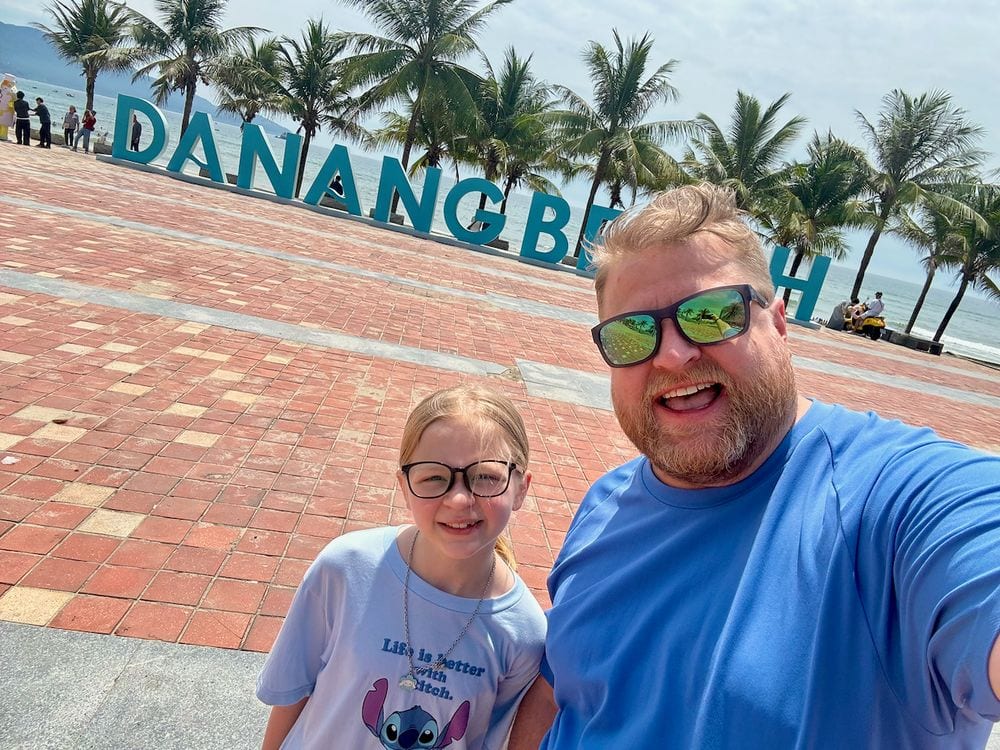
We came back to Da Nang on May 5th. Three months, we told ourselves. Same city, same beach, same banh mi spot around the corner. We know this place. We spent seven months here across 2024 and 2025, built routines into it, made friends inside it, watched the girls grow into the neighborhood. Coming back felt logical.
A month in, and we are both quietly counting down to August.
Something shifted here. It is hard to put a number on it, and it would be unfair to pretend we know exactly why it happened, but we feel it every day. The city we fell in love with still exists in the geography and the food and the low cost of living. But the social temperature has changed, and not in the direction you want.
What Da Nang Used to Be For Us
When we arrived in November 2024 for what we thought would be two months, we found something we had not expected: a genuine community. The worldschooling scene in Da Nang is real. There were families we knew from online groups, new families we met at the beach, kids who became fast friends with our girls over afternoon swims and late karaoke nights that ran well past a reasonable bedtime. We stayed six months because we kept not wanting to leave.

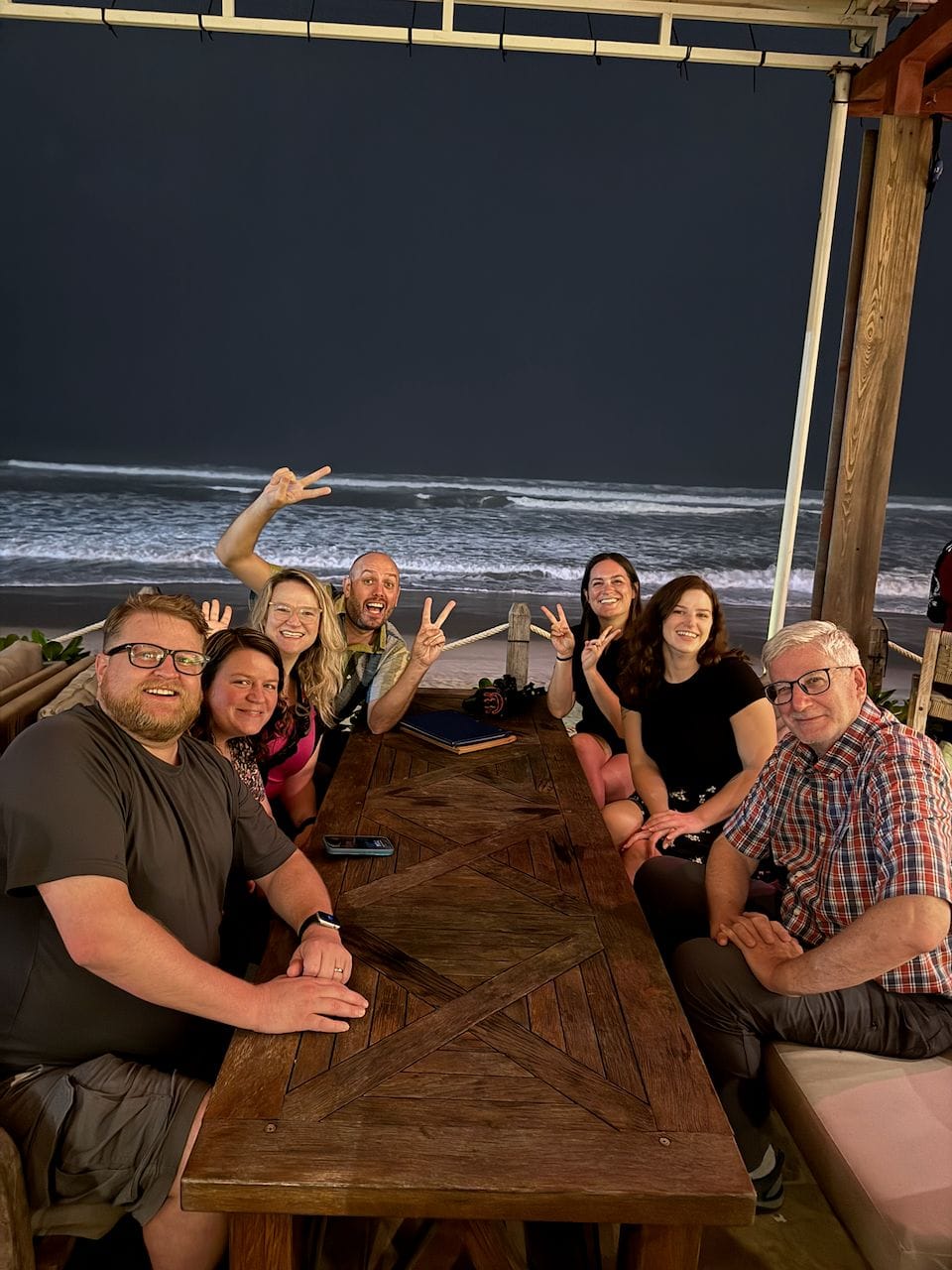
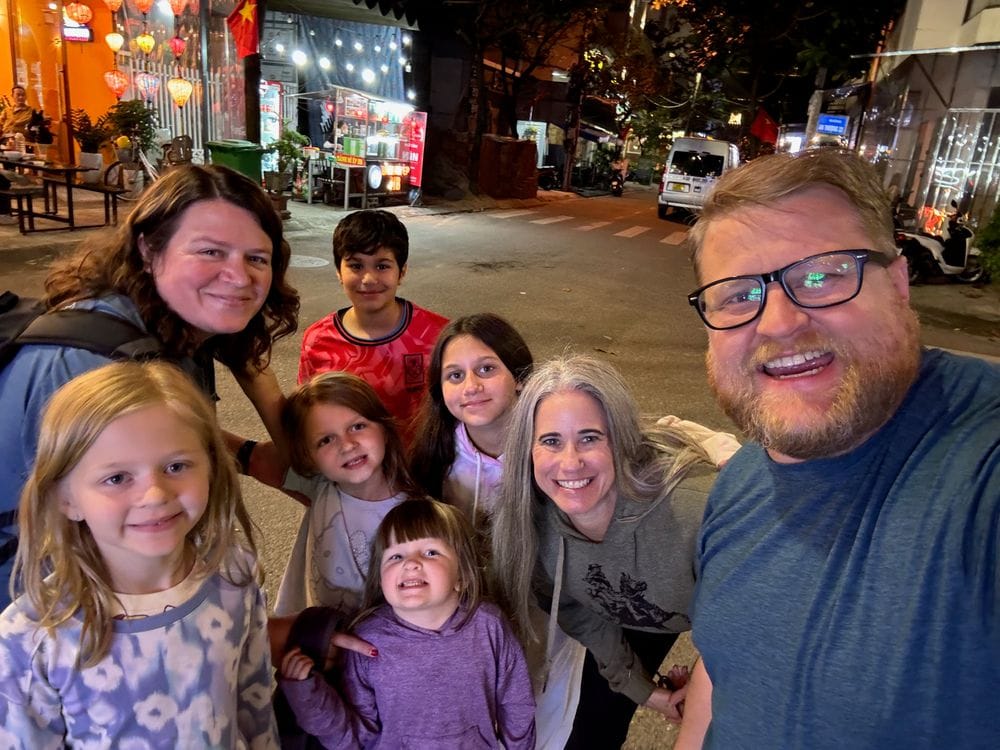



The community we found here in 2024 and 2025: nail days, group dinners, beach afternoons, kids' events, and the kind of friendships that made a two-month stay turn into six.
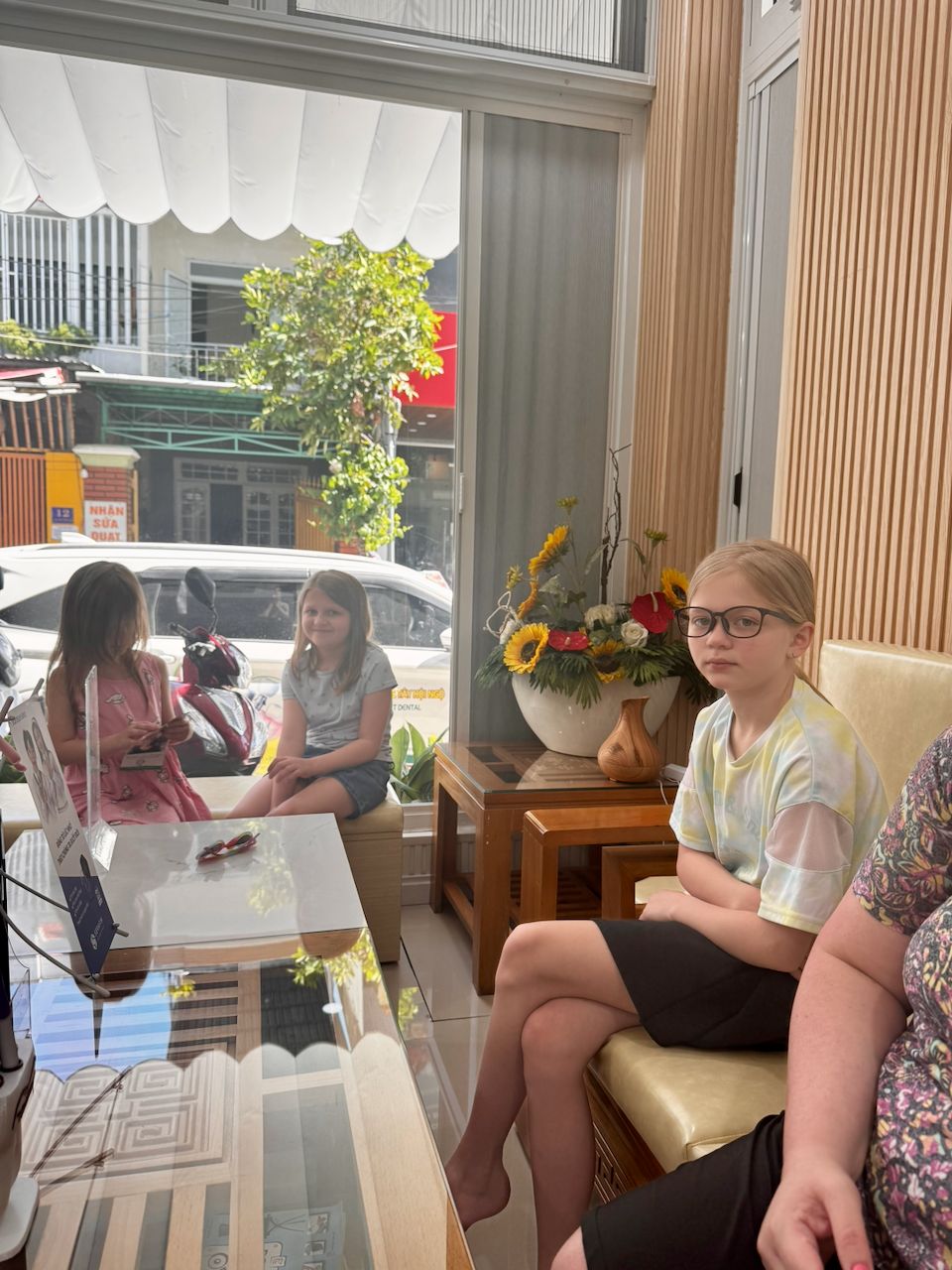
Da Nang itself made it easy to stay. My Khe Beach is a ten-minute walk from the neighborhoods where most foreigners rent. A decent apartment runs somewhere between $600 and $900 a month for something fully furnished and air-conditioned. A street food lunch for the five of us runs about $10. We actually got the girls in for dental checkups this trip and paid a fraction of what it would have cost back in Indiana. The infrastructure works, the wifi in coffee shops is reliably fast, and you learn to make peace with the fact that the streets are not exactly spotless. For a family doing school online and working remotely, it still checks nearly every box.
We have written a full breakdown of what it actually costs a family of five to live here over at our Da Nang cost of living guide, and those numbers still hold up. The value has not gone anywhere. That is not what changed.
Where the Overflow Is Coming From
The digital nomad world in Southeast Asia is being squeezed from multiple directions right now, and Da Nang is where a lot of that pressure is landing.
Bali has been tightening its grip on the influencer-and-laptop crowd for the past couple of years. Indonesian authorities have made it increasingly clear they are watching anyone working remotely on a tourist visa, renting space in a coworking spot, or posting content while technically a visitor. High-profile deportations have made the rounds in expat groups, and the message is not subtle.
Thailand is moving in a similar direction but through a different mechanism. The visa exemption period is now firmly 30 days with enforcement to match, and the border run era is effectively over. Thailand did introduce a Digital Nomad Visa called the Destination Thailand Visa (DTV), but one of its requirements is demonstrating around $15,000 USD in liquid assets. That is not an impossible bar for some people, but it rules out a meaningful portion of the remote-working crowd who are building toward that kind of financial stability rather than already there. It is a good visa if you can qualify. A lot of people cannot.
Vietnam, by contrast, now gives most passport holders 90 days with an only moderately corrupt e-visa process. No financial proof required. No enforcement story circulating in Facebook groups. It is not that Vietnam suddenly became more attractive in absolute terms. It is that the alternatives got harder.
What That Overflow Looks Like on the Ground
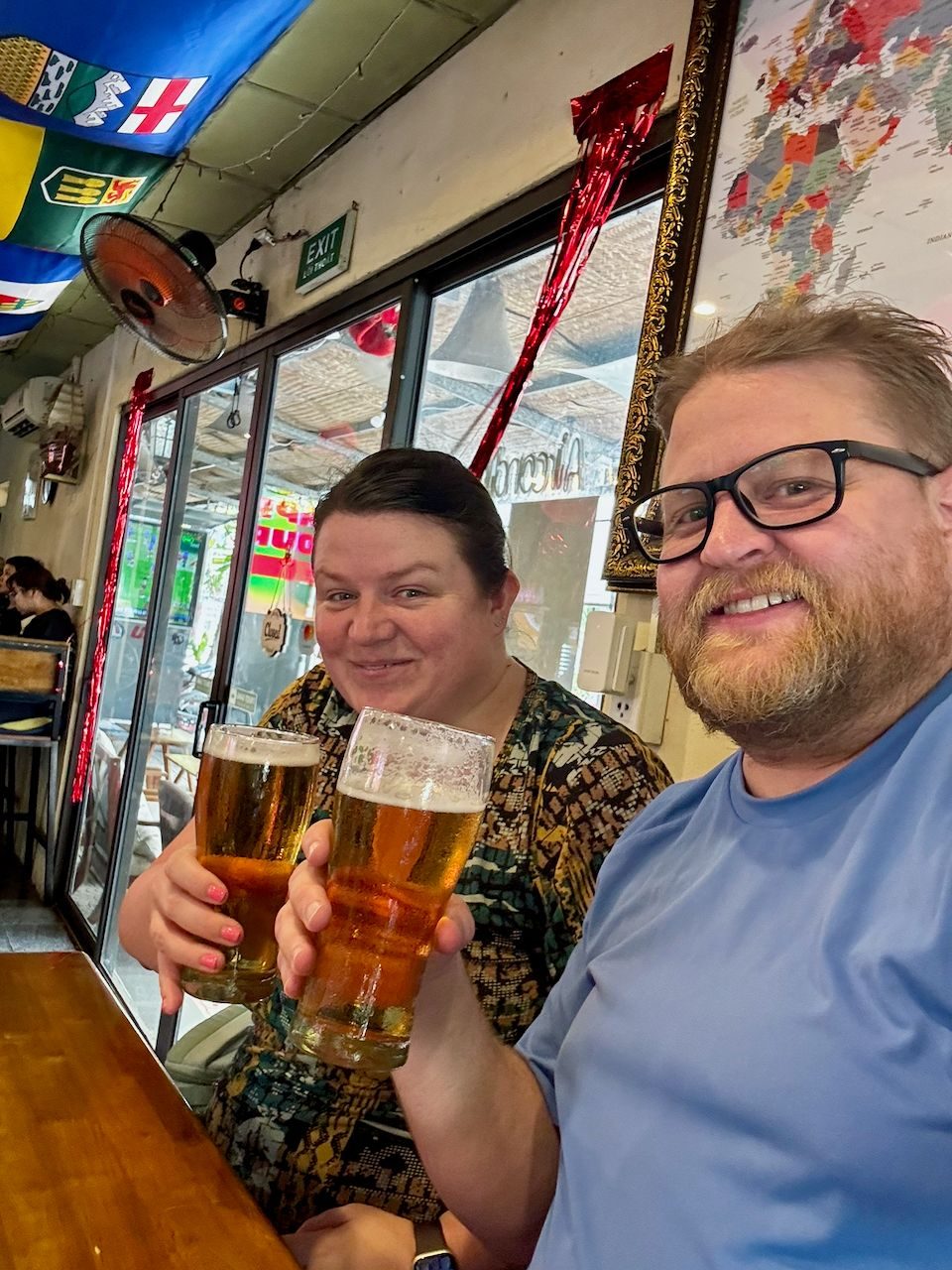
The short version: it is louder, more crowded in places that used to feel local, and the vibe from residents has cooled noticeably.
We do not think this is specific to us or to long-term families. We have talked to people who were here two years ago and came back, and they feel it too. There is a guardedness from locals now that was not there before. The people who used to wave, strike up conversations, laugh at the girls doing something chaotic at the beach, have become more reserved. That is not a condemnation. It is a completely understandable human response to watching your neighborhood change faster than you asked for.
My Khe Beach has always had a foreign presence, but there is a difference between a steady international community that integrates into the neighborhood and a rotating wave of people who showed up because their first-choice city got complicated. There is a little Italian place nearby run by a guy who used to come to every table at the end of the night with limoncello and his grandmother's tiramisu. He does not do that anymore. Last week we had to ask three times for a fifth set of silverware. Nobody was rude. It is just that the warmth that used to be automatic now has to be requested, and sometimes it does not come at all.

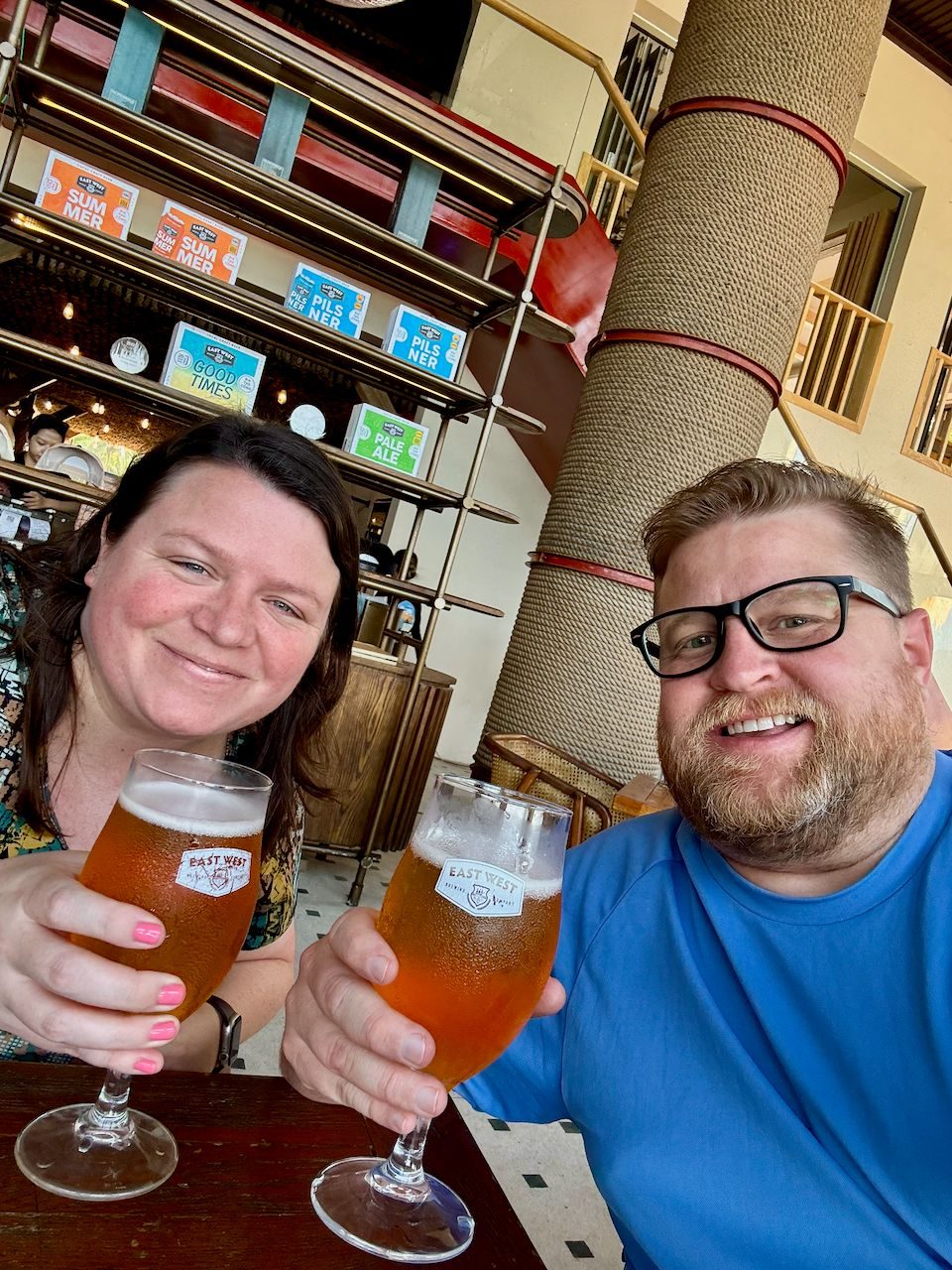
East West Brewing has been on the beach here for a while now. It is expensive, a little corporate, and whoever decided indoor smoking was fine clearly never had to eat through it, but the view is genuinely great and the beer is cold. It also caters almost entirely to the foreign crowd, and has for as long as we can remember. That is fine as a business decision. As a cultural indicator, it is one more data point pointing in the same direction.
The Kids Still Love It
To be clear about one thing: the girls are having a completely normal, good time. The pool at our place gets hit every afternoon. For Mother's Day we stayed a night at a resort up the beach and the girls found the climbing wall and an arcade and we did not see them again until 10pm. Manicures happen regularly and cost $4 each, which is either a great deal or a concerning baseline depending on how you look at it. The ladies doing them are extremely efficient and do not appear to be enjoying themselves, but the girls come out happy every time, so.

Da Nang with kids still works extremely well on a practical level. The food is safe and easy to navigate, the beach is close, activities are affordable, and Vietnamese people are genuinely warm toward children even when the adult-to-adult warmth has dialed back. The girls have not noticed what we have noticed, which is probably exactly how it should be.

Is Da Nang Still Worth Coming To?
Yes. We want to be careful not to write a piece that reads as a warning against Da Nang, because that would not be accurate to our experience and would be unfair to a city that genuinely has a lot going for it.
The cost of living remains one of the best in Southeast Asia for the quality of life it delivers. The beach is real and accessible. The food scene is excellent. The connectivity is solid. Vietnam gives you time to actually settle in, which a 30-day exemption that starts a countdown the moment you land does not. You can check the current entry rules in our Vietnam visa guide.
For someone visiting for two weeks or a month, Da Nang will probably still feel exactly as good as the reviews say it does. The shift we are describing is more legible over a longer timeline. When you are here for months across multiple years, you notice the delta.
What we would say is: Da Nang works better as a destination when it is not carrying the load of three other destinations that have closed ranks. The version of this city we loved was quieter, less performatively nomadic, more genuinely mixed. That version may return as the regulatory situations elsewhere evolve. It may not.
Where This Fits in the Bigger Picture
We wrote a piece last year arguing that Vietnam is overtaking Thailand as the top digital nomad destination in Southeast Asia. We stand by the macro argument, but the current situation in Da Nang is a good illustration of what happens when a city absorbs demand it was not scaled for.
The irony is that the factors making Da Nang harder to love right now are not of Da Nang's making. The city did not ask to absorb the overflow from Bali and Bangkok. The locals did not vote to have their favorite coffee shops repositioned. This is what happens when two or three major destinations simultaneously tighten entry and the alternatives are limited.
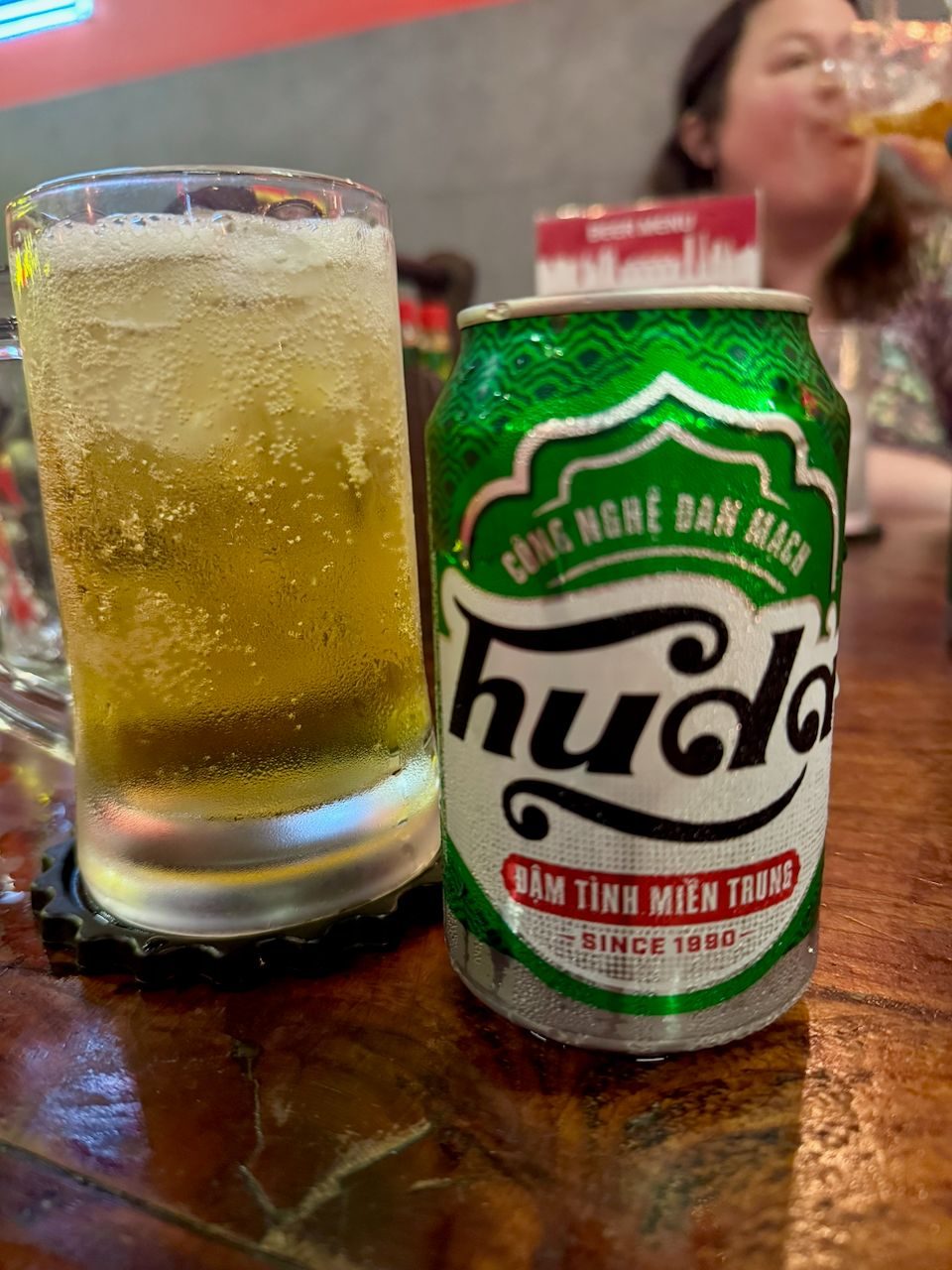
We are curious whether Hoi An handles this differently. It is smaller and more tourist-oriented by design, which might absorb the pressure in a way that feels less jarring to people who have lived there. For now, we have two months left here and we intend to spend them well in the ways that still work: the food, the beach mornings, the pool afternoons, the surprisingly good bar scene, the fact that a family dinner with drinks comes in under $30.
We are just also looking forward to what comes next.
Holafly eSIM
We use code ADAMANDLINDS for 5% off any Holafly eSIM. Vietnam coverage is solid and the monthly Plans option is worth looking at if you are staying for 30 days or more.
Get your eSIMThis post contains affiliate links. If you book through our links we may earn a small commission at no extra cost to you.


